
Medical Academy – Medical Academy of Silesia – Medical University of Silesia
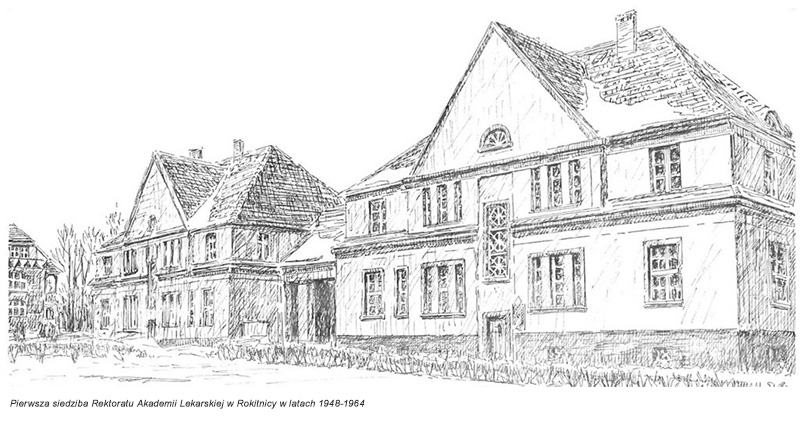
The university was established in 1948 as the Medical Academy with one medical faculty and a dental department located in Rokitnica Bytomska.
A year later, it was renamed the Medical Academy of Silesia, and then the Ludwik Waryński Medical Academy of Silesia.
During the first five years of its existence, the Academy, having one medical faculty and a dental department, launched a full range of clinical and theoretical units necessary to provide education. Theoretical departments, the Rectorate and the Library were located in the complex of post-hospital buildings of Bracka Company in Rokitnica, while the clinical departments were located in hospitals in Zabrze and Bytom. The establishment of the Medical Academy of Silesia was accompanied by the project of building a campus in Zabrze (not implemented due to lack of investment funds). It also turned out to be impossible to merge the Academy in Bytom. Therefore, out of necessity, the “temporary” location of the clinical base expanded to other cities in the Silesian region: Lubliniec, Tarnowskie Góry and Katowice. Three clinical hospitals were organized in Zabrze and Biskupice, covering all closed treatment care and outpatient specialist clinics.
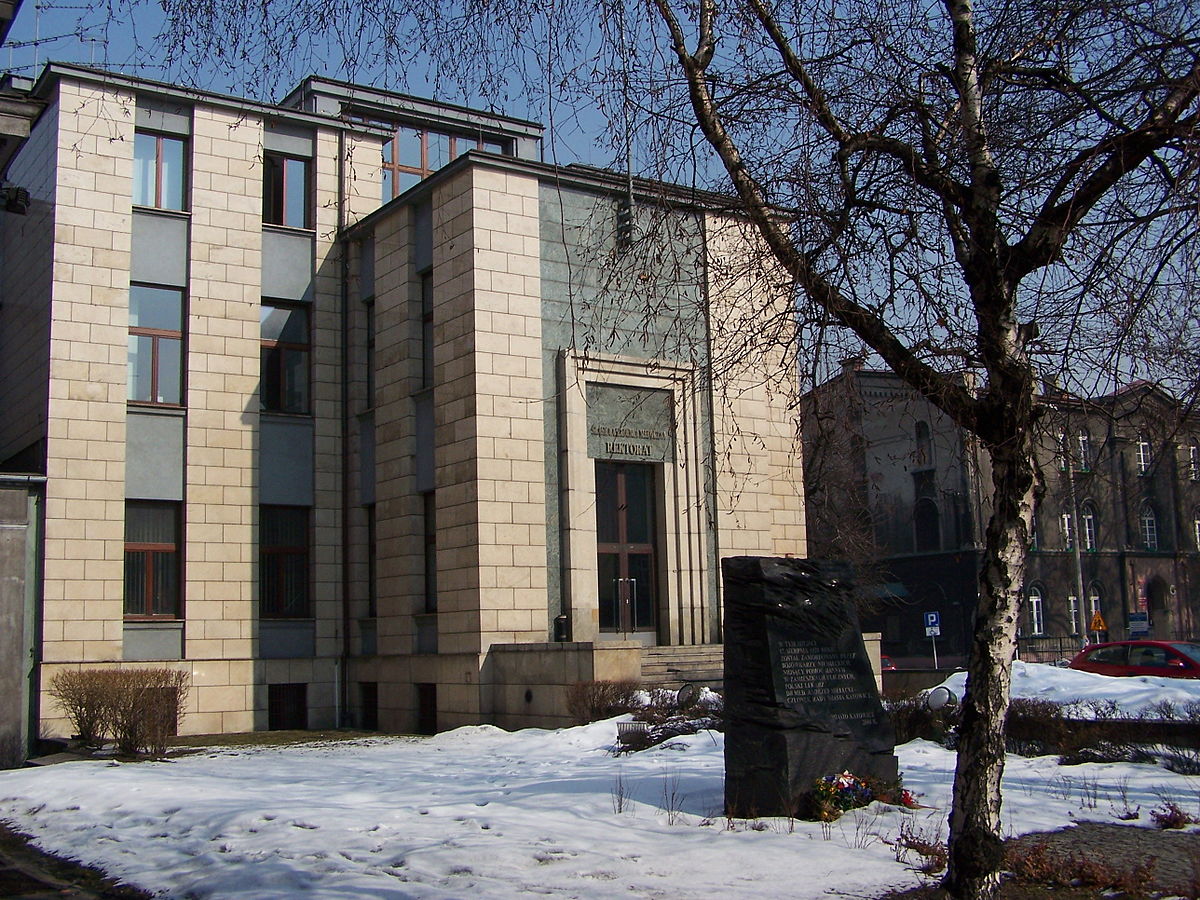
Due to the lack of prospects for the development of the University in Zabrze, in the second half of the 1950s, efforts were made to move it to Katowice and build an academic campus in Katowice-Ligota. In the following decade, the Rector’s Office was moved to the capital of the voivodship, and the fourth clinical hospital was launched on the basis of the then largest Andrzej Mielęcki Hospital in Katowice, and in Katowice-Ligota the cornerstone was laid for the construction of the Central Clinical Hospital, medical theory departments, dormitories and a hotel for nurses. In 1971 the Council of Ministers made the final decision to establish Katowice as the seat of the Medical Academy of Silesia.

Three new faculties were launched: Pharmaceutical with the Department of Medical Analytics in Sosnowiec, and also – in the facilities of the centre in Katowice-Ligota, gradually commissioned for use – the second Faculty of Medicine and Nursing (over time incorporated – as a department – into the structure of the second Faculty of Medicine). The profile of education significantly expanded when in 2001 two new faculties were established: the Faculty of Health Care in Katowice and the Faculty of Public Health in Bytom.

Granting the Medical Academy of Silesia the rank of University in 2007 can undoubtedly be considered an important event in its development, and in a sense also a creative reference to the original idea of organizing a Silesian medical school on the basis of a university faculty. Even in May 1946, efforts were made to transfer the Polish Faculty of Medicine from the University of Edinburgh to Silesia. However, as these efforts failed, it was necessary to start from the beginning not only in terms of the base, but in terms of personnel as well.
The great asset of the young Academy and the success of its organizers, especially the first Rector Prof. Bruno Nowakowski, a pioneer of Polish hygiene and occupational medicine, was the acquisition of scientific and teaching staff from university centres with centuries-old traditions, such as Kraków, Lviv, Vilnius, Warsaw, Wrocław and Poznań. Certainly, it also had a significant impact on the shape of the Academy, giving it a solid foundation for its development. The professors were entrusted with the organization of departments, clinics and institutes. They also became the pillars of the Academy, giving the education provided there a certain model characterised by a broad humanistic view of the human being. They set the direction for the development of many medical specialties, such as anatomy, biochemistry, biophysics, pharmacology, hygiene, pathomorphology, as well as clinical – internal and occupational diseases, surgery, paediatrics, gynaecology, neurology, psychiatry, and ophthalmology. The Academy’s reputation has been enhanced by its achievements which have been developing as new areas of knowledge were discovered in such specialties, as gastroenterology, haematology, cardiology, cardiac surgery, nephrology, urology and isotope diagnostics. Many employees of the University have a significant contribution to the achievements of world medicine, such as Prof. Stefan Ślopek – inventor of the typhoid vaccine, Prof. Witold Zahorski – a pioneer of occupational medicine, a world expert in the field of pneumoconiosis and the author of the first international radiological classification of pneumoconiosis, Prof. Kornel Gibiński – an outstanding internist and founder of the Polish school of gastroenterology, Prof. Józef Gasiński – the phenomenon of surgical technique.
Systematic work spanning decades and generations has also consolidated the scientific position of the University. Among Polish medical universities, the Medical University of Silesia has one of the greatest scientific achievements, reflected, for example, in the number of electronically registered – in the past 32 years alone – about 112,000 publications of various types (bibliography of employee publications for the years 1948-1989 is available in the form of printed yearbooks).
In recent years, the number of so-called external scientific grants awarded as a result of competition procedures has increased several-fold, also the international scientific cooperation is developing dynamically. The spectrum of scientific interests of the University’s teams and staff is very broad. Well-established areas include research into the etiopathogenesis, diagnosis and therapy of diseases of the cardiovascular system, blood and hematopoietic diseases, kidney diseases and metabolic diseases. Research in the fields of genetic engineering and molecular diagnostics in medicine and environmental protection, studies on rehabilitation methods for patients with musculoskeletal dysfunctions and research on new possibilities in the management of childbirth are being implemented. The environmental determinants of civilization diseases and issues related to key public health problems are subject to scientific assessment.
In addition to measures taken to obtain external funding for research, each year the University extracts funds of at least several million PLN from the subsidy it receives to comprehensively finance existing and new research projects.
Domestic and World’s health challenges that determine scientific research activities are also constantly monitored. The above is reflected in the annual analysis and identification of priority research areas, which currently include: civilisation diseases, in particular cancer (including: learning the mechanisms of formation of civilisation diseases); medical, psychological and social aspects of ageing processes; concepts of new diagnostics and treatment (including new drugs and prevention of new non-infectious, infectious and chronic diseases, e.g. cardiovascular diseases, cancer, kidney diseases, COVID-19); regenerative medicine (e.g. stem cells, tissue engineering); modern technologies in medicine (including new drugs and concepts for the treatment of infections with drug-resistant pathogens); rare diseases.
The picture of scientific activity is complemented by the offer addressed to students – today it includes 170 branches of the Students Scientific Association, operating at all faculties of the University.

Would you like to discover an interesting side of our history? Look for it on the timeline and see what we have prepared for you.
Timeline…
The five Faculties educate doctors of medicine, dentists, pharmacists, medical analysts, biotechnologists, as well as specialists in neuroscience, paramedics, nursing, midwifery, physiotherapy, cosmetology, public health, health risk management, dietetics, electroradiology, medical coaching and medical coordinators. The University has also been accredited to offer medical English-language studies for nearly 30 years, and has been running an English-language degree programme in medicine and dentistry since the academic year 2014/2015. In addition, it offers education in the Doctoral School, postgraduate studies and is authorised to confer doctoral and postdoctoral (habilitation) degrees in medical sciences, health sciences and pharmaceutical sciences.
The academic staff consists of nearly 1,500 persons, including almost 400 associate professors and professors.
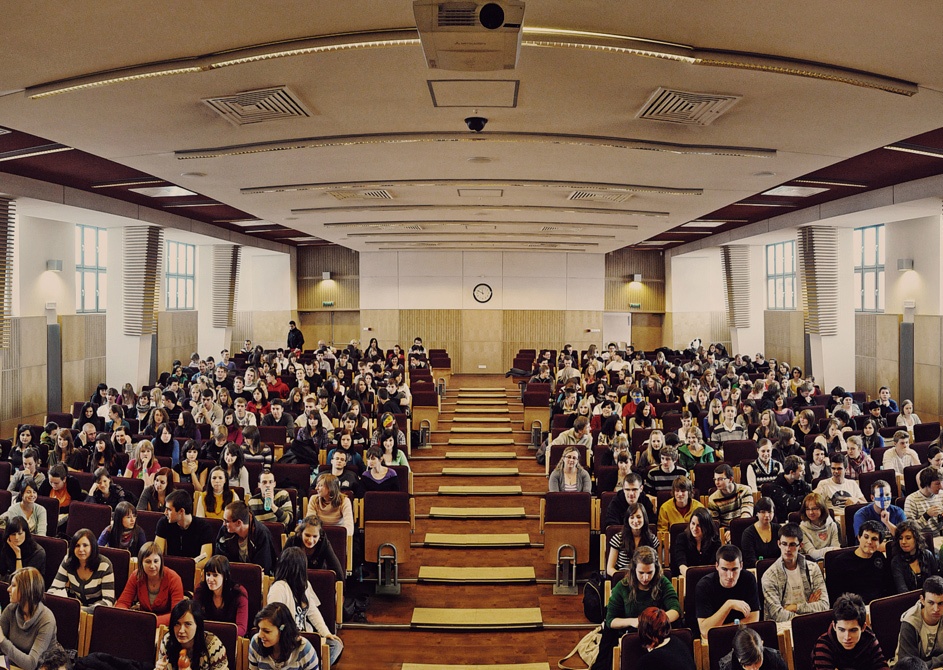
Almost 60,000 graduates have received the University diplomas so far. More than 10,000 people currently study at all faculties.
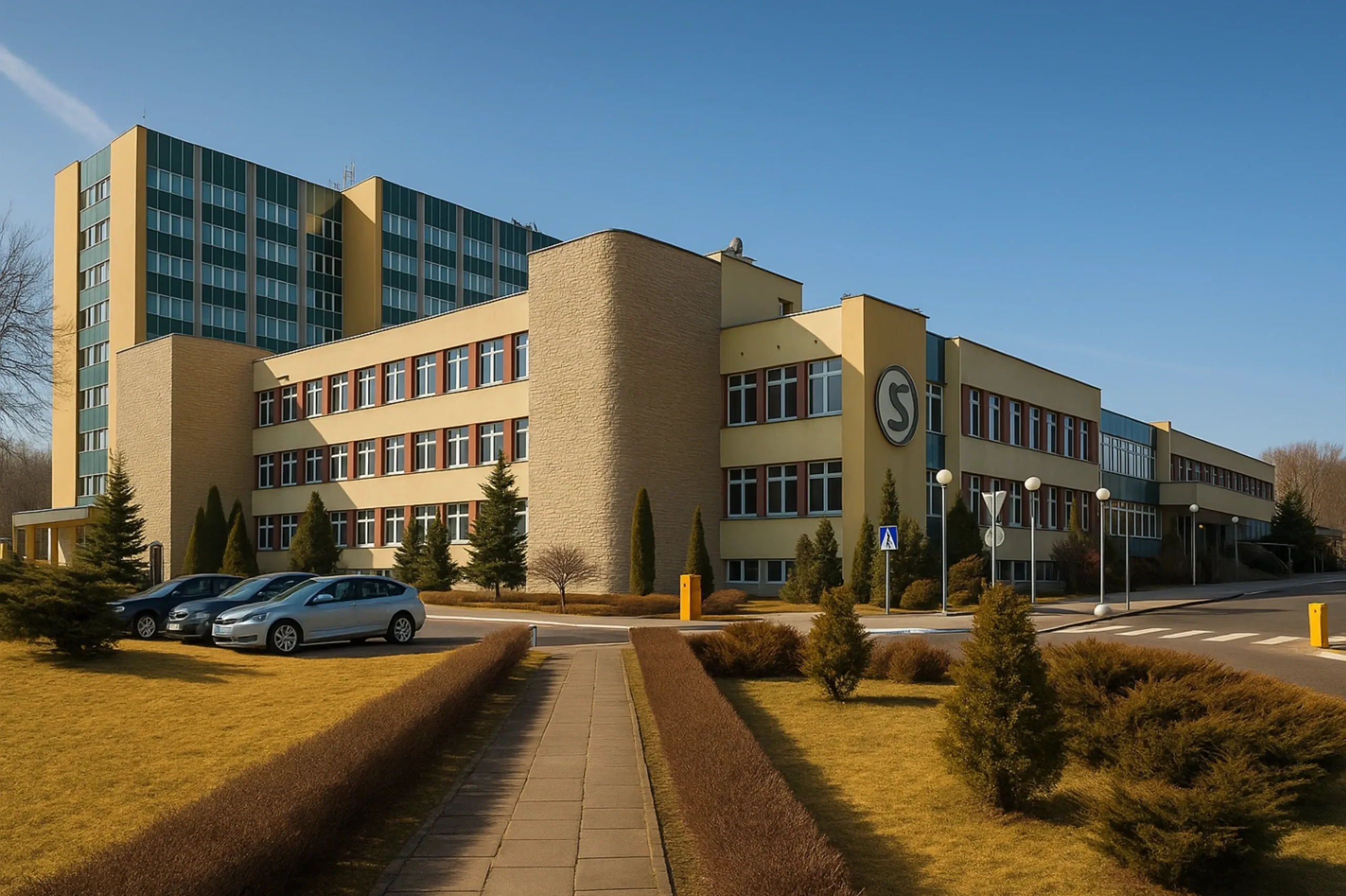
The research, education and clinical base of the University consists of more than 270 units (departments, clinics, clinical departments, colleges and studies), located mainly in the cities that are the seats of the faculties, i.e. Zabrze, Katowice, Sosnowiec and Bytom. The University has six independent public teaching hospitals – two in Zabrze and four in Katowice. Clinical units also operate on the basis of other medical entities in Bytom, Chorzów, Katowice, Katowice-Ligota, Ruda Śląska, Sosnowiec, Tarnowskie Góry, Tychy and Zabrze.
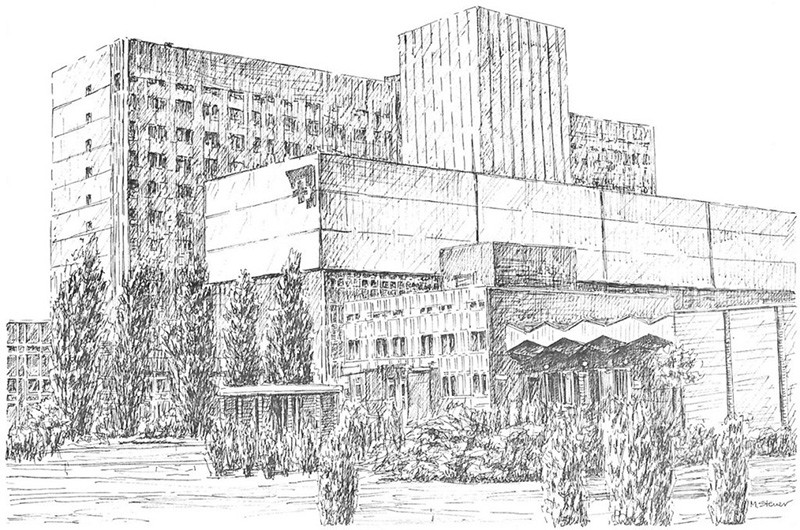
Source: “Dictionary of medicine and pharmacy of Upper Silesia”, Vol. 6 Monographic: Medical University of Silesia on the 60th anniversary of the Medical Academy of Silesia, Katowice 2007, pp. 13-15; update: Paweł Bojko, January 2023.

Throughout its 75-year history, the Medical University of Silesia has been and still remains an important education, research and clinical centre, fulfilling various tasks in the field of preparing medical staff. Clinics and clinical departments occupy a significant place on the domestic market of medical services. Many of them are listed at the top of national rankings (e.g. cardiology, cardiac surgery, haematology, highly specialized surgery, neurosurgery, ophthalmology, obstetrics and gynaecology, paediatrics, nephrology, gastroenterology).
We are at the forefront of universities using virtual teaching and medical simulation. Our students can choose between three Centres of Medical Simulation, which were created thanks to financial support provided by the European Union. The students have at their disposal numerous simulation rooms of high fidelity, including: intensive care rooms, operating rooms or labour rooms.
Manikins used in the centres, stand out as highly realistic (they speak, breath, cry and even bleed).Our students can practice in a virtual operating theatre and a virtual dentist’s room and also use the application „Virtual patient”.
The educational offer, that has been constantly improving for 75 years, is realized at five Faculties localised in Katowice – Ligota, Zabrze, Bytom, Sosnowiec and in six clinical hospitals. At the same time we develop continuously, introducing innovations and new technologies, which ensures that our students have a chance to evolve and follow their passions. By intensive development of the teaching process, we have introduced e-learning and thanks to that some classes can be realised online through the web platform.
Since 1948, we have been ensuring high quality education process for specialists of all medical programmes – offering intramural and extramural studies for Ist and IInd degrees. Future students of our University are able to choose between 18 programmes of study at 5 Faculties, among others: medical analytics, neurobiology, medicine, nursing, electroradiology or public health.
Since 2021/2022 students can expand their knowledge within two new programmes – Occupational Safety and Health or Medical Coordinator. More than 200 scientific societies, student organisations, doctoral student organisations, associations and sport clubs (within AZS SUM) operate at the University.
Everyone wanting to upgrade their professional skills, invest into their personal development and increase their competitiveness in the labour market, we offer wide range of postgraduate studies, MBA along with trainings and specialisation courses.
Following the idea of acquiring knowledge during ones whole lifetime, we are in charge of projects addressed to kids, teens and seniors. First Age University can generate curiosity of every child and students of the High School University know the taste of studying process and may find out that it is worth joining SUM in the future! Third Age University awaits for seniors with our lecturers sharing their medical knowledge and experience in regards to health protection. They can advise how to feel young despite years passing.
We have over 270 departments, units, clinics and branches localised mainly in the cities forming headquarters of our Faculties. High quality of classes conducted at the Medical University of Silesia is guaranteed by academic teaching staff involving more than 1500 people. Knowledge and qualifications of our didactic employees are highly recognised both in Poland and in the world. Numerous SUM lecturers received prestigious titles of Honoris Causa and serve in the boards of European of Polish scientific societies. Our University has been authorized to confer the degree of PhD (doctorate) and the degree of DSc (habilitation) of the medical and health sciences in the following disciplines:
We have partnership with numerous international universities, among others from United Kingdom, Italy, Sweden and United States. We have been working for exchanging students and information and for teaching staff trainings.

 Your request has been submitted successfully.